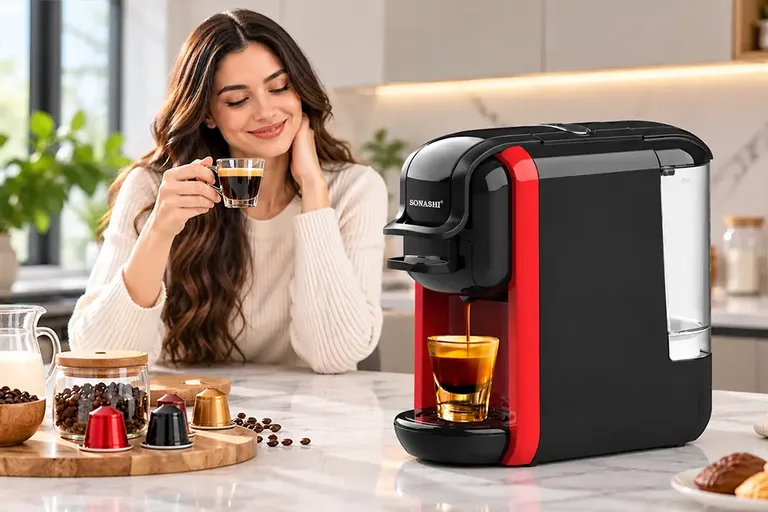
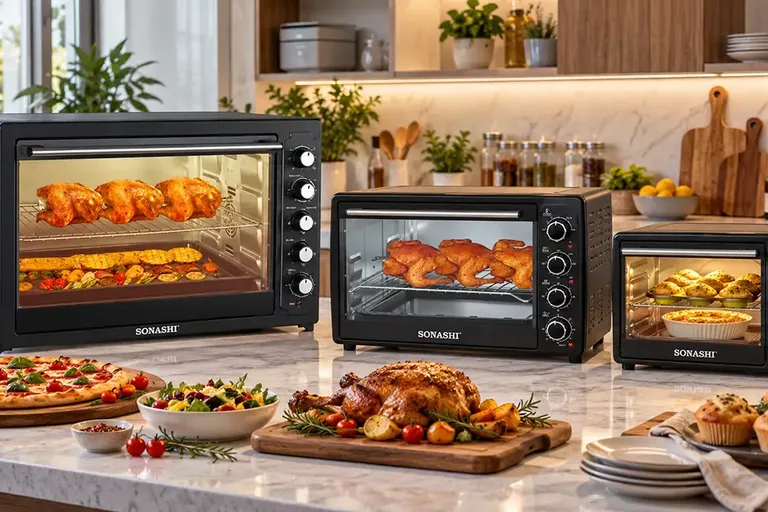
How to Choose Kitchen Appliances for a Modern Home in Dubai
A kitchen can look organised on moving day and feel crowded after the first week of cooking. Knowing how to choose kitchen appliances means planning around your meals, available workspace and the equipment already installed.
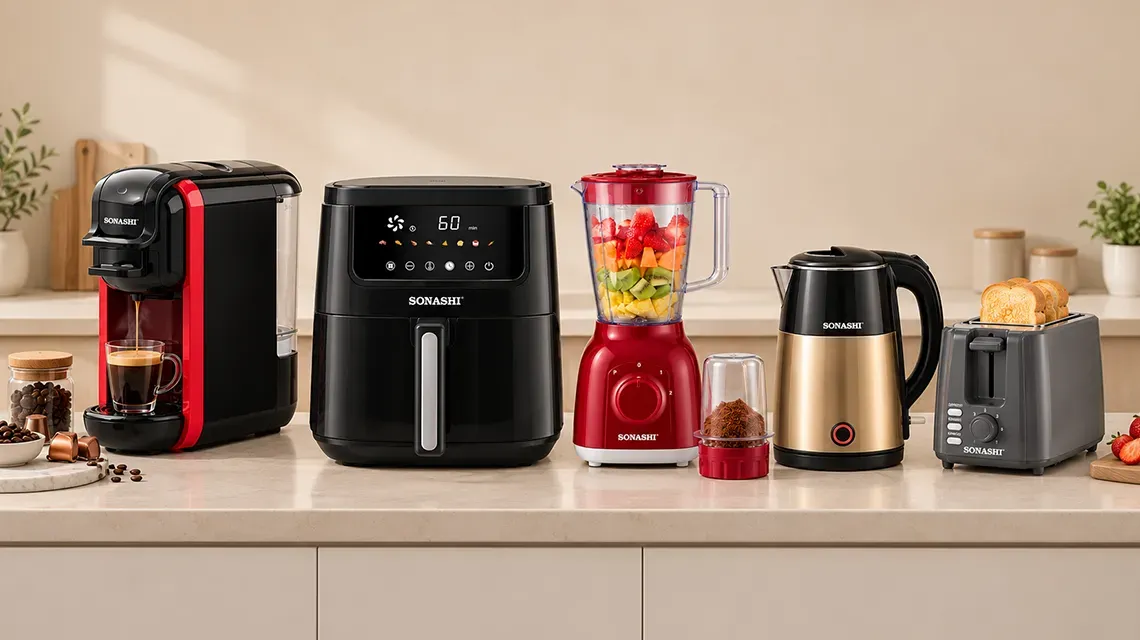
Sonashi’s kitchen appliance collection gives UAE households options for breakfast, food preparation and everyday cooking. Before buying, think about what happens between taking ingredients from the fridge and washing up afterwards. The right appliance should make that routine more manageable without taking over the counter, duplicating another machine or creating maintenance you would rather avoid.
How to Choose Kitchen Appliances Around Your Weekly Meals
Start with your last seven days of cooking. List the tasks you repeat, then identify where equipment could save effort.
A household preparing rice frequently may benefit from a rice cooker. Someone making smoothies and sauces should examine blender capacity and approved ingredients. Regular cake baking creates different requirements from reheating lunch or toasting sandwiches.
Separate your shortlist into three groups:
- Daily essentials: Equipment used most mornings or evenings.
- Regular helpers: Appliances that solve a recurring preparation task.
- Occasional purchases: Specialist equipment for recipes you rarely make.
Essential kitchen appliances are personal to the household. A coffee machine may earn permanent counter space in one home, while another family gets more use from a kettle and mixer grinder.
Which Appliances Match Different Cooking Tasks?
Compare the task before comparing features. Similar-looking appliances can perform different jobs, and their capacities are not always directly comparable.
Household need | Appliance to consider | Details worth checking |
Tea and hot drinks | Electric kettle | Minimum fill, usable capacity and cleaning access |
Smoothies and sauces | Blender | Working capacity, suitable ingredients and removable parts |
Frequent rice dishes | Rice cooker | Uncooked-rice capacity and operating instructions |
Small portions requiring browning | Air fryer | Basket dimensions, temperature range and batch size |
Cakes and tray-based meals | Electric oven | Internal measurements, rack positions and heating modes |
Reheating cooked meals | Microwave oven | Dish clearance, power settings and approved cookware |
For kitchen appliances for everyday cooking, choose capacity around normal portions. Buying enough space for an occasional party can leave you storing a bulky machine the rest of the year.
What Should You Measure in a Small Kitchen?
Measure working space, not just the empty rectangle where the appliance will sit. Doors, lids, removable tanks and drawers all need clearance.
For kitchen appliances for small homes, check:
- Space beneath cupboards when a lid opens.
- Room to pull out a basket or tray.
- Manufacturer-required ventilation gaps.
- Access to a suitable electrical outlet.
- Storage space for attachments.
An electric oven’s litre figure does not tell you whether your cake tin fits. The Sonashi 21 Litres Electric Oven lists a 100–250°C adjustable temperature selector, four-way heating selection and a 60-minute timer with bell. Check internal dimensions and timer operation against your recipes before choosing.
For an apartment in Dubai, keeping one section of counter clear for chopping can be more useful than adding another appliance.
Which Features Are Worth Paying For?
Useful features solve a task you can name. A removable bowl helps with washing; adjustable temperature supports different recipes; accessible controls make repeated use less awkward.
The Sonashi 4.2L Digital Air Fryer lists a non-stick pan, touch-screen display, 60–200°C temperature control and a 1–60-minute timer. These are concrete comparison points, but capacity alone does not establish how much food should cook in one batch.
Treat multifunction claims carefully. Check whether attachments are included, whether switching tasks requires substantial cleaning and whether the appliance performs the specific job you need. Extra programmes have little value if you always use one setting.
How Do You Compare Energy Use and Ownership Costs?
Compare energy efficient kitchen appliances using published consumption information where available. Wattage describes power demand, while electricity used over time is measured in kilowatt-hours.
A hypothetical 1,000 W appliance running continuously for half an hour uses 0.5 kWh. Actual consumption can vary when heating elements cycle or settings change.
The Energy Saving Trust’s appliance energy-efficiency guidance explains why appliance size and consumption figures matter. Its label examples concern the UK; use the applicable UAE product information when comparing local models.
Include replacement filters, accessories, cleaning products and servicing in your budget. A low purchase price becomes less attractive if essential replacement parts are difficult to obtain.
What Else Should UAE Buyers Check Before Ordering?
For kitchen appliances in Dubai or Abu Dhabi, confirm dimensions, plug compatibility, supply requirements and delivery arrangements. Renters should check permissions before changing built-in equipment.
During summer, cooking appliances still release heat. Maintain required ventilation and keep vents clear rather than placing equipment tightly against cupboards. Never assume a compact appliance is designed for enclosed installation.
Sonashi was established in 1993 and is distributed across more than 80 countries. Alongside brand heritage, examine documented materials, assembly, cleaning instructions and official warranty terms. Keep your invoice and confirm the service route for the chosen model.
Frequently Asked Questions
1. Which kitchen appliances should I buy first?
Buy around the meals and drinks you prepare most often. Start with the equipment missing from your existing kitchen, then prioritise recurring tasks such as boiling water, cooking rice or reheating food. Add specialist appliances after you understand your routine and how much workspace remains.
2. Is a multifunction appliance better for a small kitchen?
It can reduce the number of separate machines, provided its functions match your cooking. Check attachment storage, cleaning between tasks and usable capacity. One appliance cannot perform several jobs simultaneously, so a multifunction model may be less convenient when preparing different parts of a meal together.
3. Does lower wattage always mean lower electricity bills?
No. A lower-power appliance may need longer to complete the same task. Compare energy used for equivalent results where reliable figures exist, alongside capacity and operating time. Choose appropriately sized equipment and follow its instructions rather than treating wattage alone as an efficiency score.
Conclusion
Choosing kitchen appliances starts with meals, measurements and a realistic view of daily use. Prioritise suitable capacity, useful controls, manageable cleaning and clear ownership costs before adding specialist functions. Explore the Sonashi kitchen appliance collection linked above to build a shortlist, then confirm dimensions, electrical requirements and warranty details. A modern kitchen works better when every appliance has a clear purpose and enough space to be used comfortably.