How to Get Rid of Mosquitoes at Home: Simple Prevention Tips
How to get rid of mosquitoes: remove standing water, block entry through doors and windows, inspect dark resting areas, and use a suitable indoor control method for mosquitoes already present. Repeat these checks weekly because killing visible mosquitoes without addressing their breeding sites or entry routes provides only temporary relief.
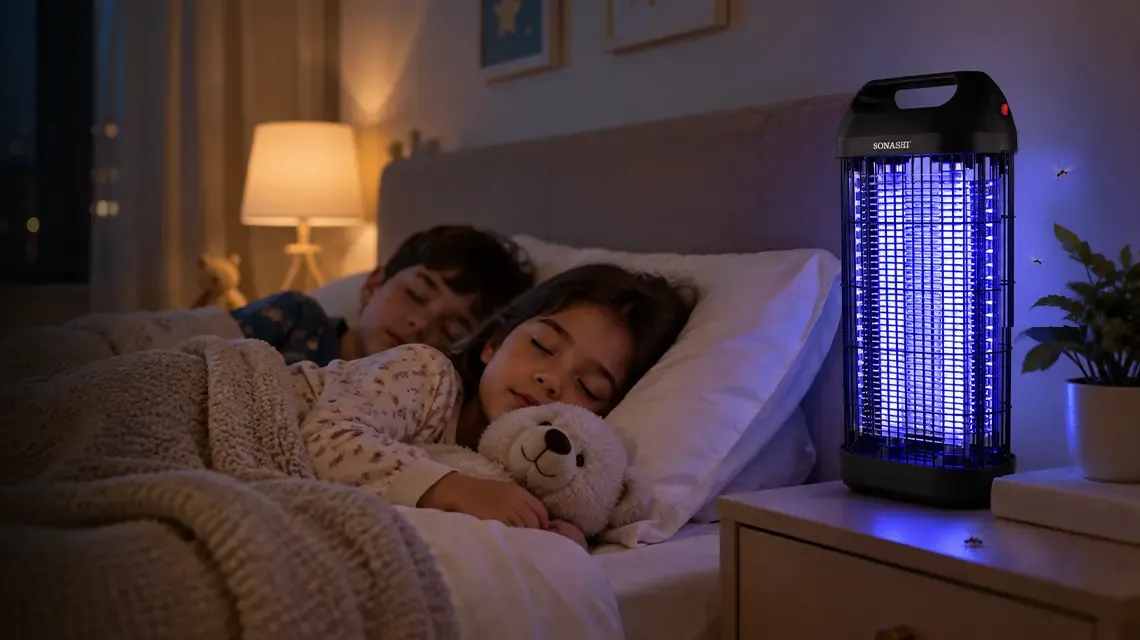
Mosquitoes may enter UAE apartments and villas through balcony doors, damaged screens, vents, and frequently opened entrances. Water in plant saucers, drains, outdoor containers, or leaking irrigation areas may also support mosquito activity. The Sonashi insect killer collection provides household control options that can support a wider prevention routine.
This guide shows you how to get rid of mosquitoes at home using a practical three-part method: locate the source, close the entry route, and control mosquitoes already indoors. It is designed for apartments, villas, family homes, gardens, and balconies across Dubai, Abu Dhabi, Sharjah, and the wider UAE.
Why Do Mosquitoes Keep Appearing in Your Home?
Repeated mosquito activity usually points to one or more of these conditions:
- A breeding source: Standing water allows mosquito eggs and larvae to develop.
- An entry route: Gaps, damaged screens, or open doors allow adult mosquitoes inside.
- A resting area: Dark, humid, and sheltered spaces give mosquitoes somewhere to remain during inactive periods.
Treating only one condition may not solve the problem. For example, an insect-control appliance can target flying insects indoors, but it cannot empty a plant saucer or repair a balcony screen.
Where Should You Look for the Source?
Start with a focused 15-minute inspection instead of spraying every room.
What You Notice | Likely Source or Entry Point | Recommended First Action |
Mosquitoes near balcony doors | Plant pots, drains, screen gaps | Remove water and inspect screens |
Activity in bathrooms | Leaks, drains, humid corners | Clean, dry, and check plumbing |
Mosquitoes around plants | Saucers or decorative outer pots | Empty and scrub containers |
Bites mainly in bedrooms | Curtains, closets, open windows | Inspect resting areas and screens |
More mosquitoes after rain | Covers, toys, pots, garden items | Drain collected water immediately |
Activity across several apartments | Shared drainage or landscaping | Contact building management |
A single mosquito does not necessarily mean it bred indoors. However, repeated activity in the same area suggests a nearby source, access point, or resting place.
How to Remove Mosquito Breeding Opportunities
Mosquito prevention begins with water management. Even small containers can retain water, so inspect both obvious and hidden locations.
In Apartments
Check plant saucers, vases, mop buckets, balcony drains, pet areas, decorative pots, and trays beneath containers. Look inside folded balcony covers and outdoor toys after rain or cleaning.
Air conditioning is not normally the problem when it drains correctly. However, blocked drainage, leaking pipes, or containers collecting condensate should be corrected.
In Villas and Gardens
Inspect irrigation lines, watering cans, pool covers, fountains, bins, roof drainage, garden furniture, and containers stored behind sheds. Cover water-storage containers securely and repair leaks promptly.
Emptying water is only part of the process. Scrub reusable containers before refilling them because mosquito eggs may remain attached to their surfaces.
How Can You Stop Mosquitoes Entering the House?
Inspect window and door screens in daylight so small holes are easier to identify. Pay particular attention to screen corners, sliding balcony doors, utility-room windows, and ventilation openings.
Keep doors closed when practical, especially during deliveries, evening gatherings, or movement between indoor and garden areas. If mosquitoes appear shortly after one entrance is used, inspect that route first.
Apartment residents should report standing water, damaged screens, or drainage issues in shared areas to building management. Problems originating from corridors, landscaping, roof areas, or shared drains may require building-level action.
Where Do Mosquitoes Hide Indoors?
Mosquitoes often rest in dark, sheltered, or humid areas, including:
- Behind curtains
- Beneath beds and tables
- Inside open closets
- Under sinks
- Around laundry areas
- Behind indoor plants
- Near bathroom fixtures
Use a torch to inspect these spaces. Reduce unnecessary clutter, repair leaks, and dry persistently damp areas. For additional guidance on mosquito control at home, see the CDC's mosquito control recommendations.
Which Mosquito-Control Method Suits the Problem?
Different methods address different parts of mosquito control. The following comparison helps prevent reliance on one solution.
Method | What It Addresses | Best Used For | Main Limitation |
Removing standing water | Eggs and larvae | Long-term source reduction | Must be repeated regularly |
Window and door screens | Entry routes | Apartments and air-conditioned homes | Damaged or poorly fitted screens lose effectiveness |
Labelled personal repellent | Mosquito bites | Outdoor time and continuing exposure | Must be used exactly as directed |
Electronic insect killer | Flying insects indoors | Supporting household control | Does not remove breeding sources |
Professional pest control | Persistent or widespread activity | Inaccessible or shared sources | May still require ongoing home prevention |
The strongest approach combines source removal, entry control, personal protection, and an appropriate method for adult mosquitoes.
How Do Sonashi Insect Killer Models Compare?
Electronic insect killers can support mosquito control at home once breeding sources and entry points have been addressed. Select a model according to the intended area, installation needs, and official manufacturer instructions.
Sonashi Model | Verified Lamp Configuration | Power | Installation Feature | Maintenance Feature |
One 6 W UV-A tube | 6 W | Hanging hook | Removable collection tray | |
Two 6 W tubes | 12 W | Hanging chain | Removable collection tray | |
Two 15 W UV-A tubes | 30 W | Hanging chain | Removable collection tray | |
Two 15 W tubes | 30 W | Installation varies by setup | Removable collection tray |
These appliances use an internal electric grid to control attracted flying insects. Results depend on placement, competing light, room conditions, and the insects present. Follow the product manual for installation, operation, cleaning, and electrical safety. An insect killer should not be presented as guaranteed protection against mosquito-borne disease.
How to Keep Mosquitoes Away Every Week
Use a short maintenance routine instead of waiting until mosquito activity becomes noticeable.
After Watering Plants
Empty saucers and inspect decorative outer pots. Reduce overwatering if water repeatedly collects beneath plants.
After Rain or Outdoor Cleaning
Check balcony furniture, covers, toys, buckets, planters, drains, and recessed surfaces. Rainwater can remain hidden even when the surrounding floor appears dry.
Before Evening Gatherings
Close unscreened doors when possible. Wear suitable covering clothing and apply an approved mosquito repellent according to its label when personal protection is needed.
Once a Week
Repeat the water, screen, resting-area, and appliance checks. Clean removable insect-killer trays only as instructed and with the appliance safely disconnected where required.
UAE Home Mosquito Prevention Checklist
- Empty and scrub plant saucers, vases, buckets, and trays.
- Cover all stored-water containers.
- Clear balcony, patio, and garden drains.
- Check irrigation, plumbing, and condensate leaks.
- Repair damaged window and door screens.
- Inspect curtains, closets, furniture, and sinks.
- Check outdoor items after rain or cleaning.
- Clean control appliances according to their manuals.
- Report shared-area water to building management.
- Repeat the inspection every week.
Common Mosquito-Control Mistakes
Killing only visible mosquitoes: This does not address the source or entry route.
Pouring away water without scrubbing: Eggs may remain attached to the container.
Ignoring balconies and gardens: Pots, covers, drains, and irrigation equipment can collect water.
Depending on unproven remedies: Plants, scents, essential oils, and homemade mixtures should not replace evidence-based prevention.
Using only one control method: An appliance cannot repair a screen, remove water, or protect exposed skin outdoors.
Assuming one treatment is permanent: New breeding opportunities can appear after rain, watering, leaks, or cleaning.
When Should You Request Professional Help?
Contact building management, the relevant local authority, or a qualified pest-control provider when mosquito activity continues despite regular prevention, several neighbouring homes are affected, or water is collecting in an inaccessible shared area.
Professional support may also be appropriate when the suspected source involves a tank, major drainage problem, construction area, irrigation system, or location that cannot be inspected safely.
Frequently Asked Questions
1. What is the quickest way to reduce mosquitoes indoors?
Remove standing water, close entry points, and inspect dark resting areas first. Deal with visible mosquitoes using an appropriate indoor control method. This can reduce immediate activity, but weekly water and screen checks are still necessary to prevent new mosquitoes from appearing.
2. Can mosquitoes breed in a clean apartment?
Yes. Mosquito breeding depends on accessible water rather than general cleanliness. Water may remain in plant saucers, vases, buckets, decorative pots, or balcony items. Empty and scrub these containers weekly, and inspect them again after rain, cleaning, or watering plants.
3. Why do mosquitoes return after I kill them?
They may be entering through an unresolved gap or developing in a nearby water source. Inspect screens, balcony doors, drains, plant containers, and shared building areas. If several apartments have the same problem, report it to building management because the source may be outside your home.
4. Will an electronic insect killer remove every mosquito?
No. An electronic insect killer can help control attracted flying insects, but it will not eliminate breeding water or stop mosquitoes entering through damaged screens. Its effectiveness also depends on placement and environmental conditions, so it should be one part of a layered prevention plan.
5. How often should I inspect my home for mosquitoes?
Perform a basic inspection every week and repeat it after rain, heavy plant watering, balcony washing, or a plumbing leak. Check containers, drains, screens, humid rooms, and outdoor items. Frequent inspections help identify new water sources before mosquito activity becomes more noticeable.
Conclusion
Learning how to get rid of mosquitoes means controlling the full cycle: remove water, block entry, inspect resting places, and deal with adult insects already indoors. Repeat these steps weekly and involve building management or professionals when the source extends beyond your property. Compare household options in the Sonashi insect killer collection.